Typology-Sensitive Daylight Simulator
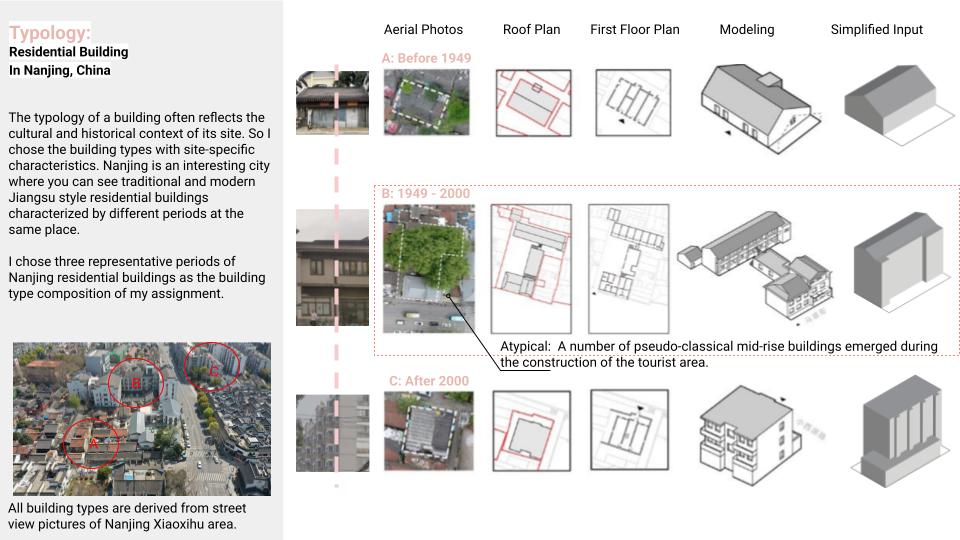
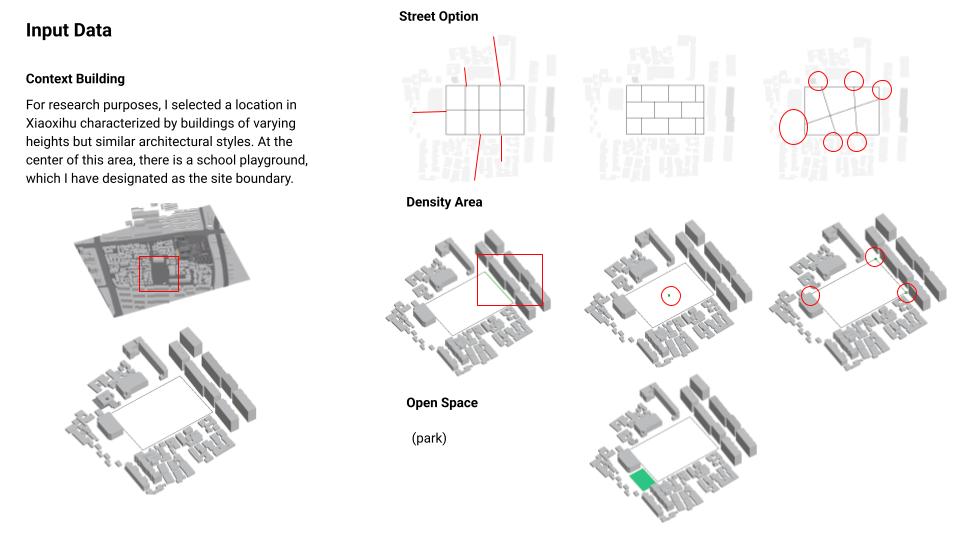
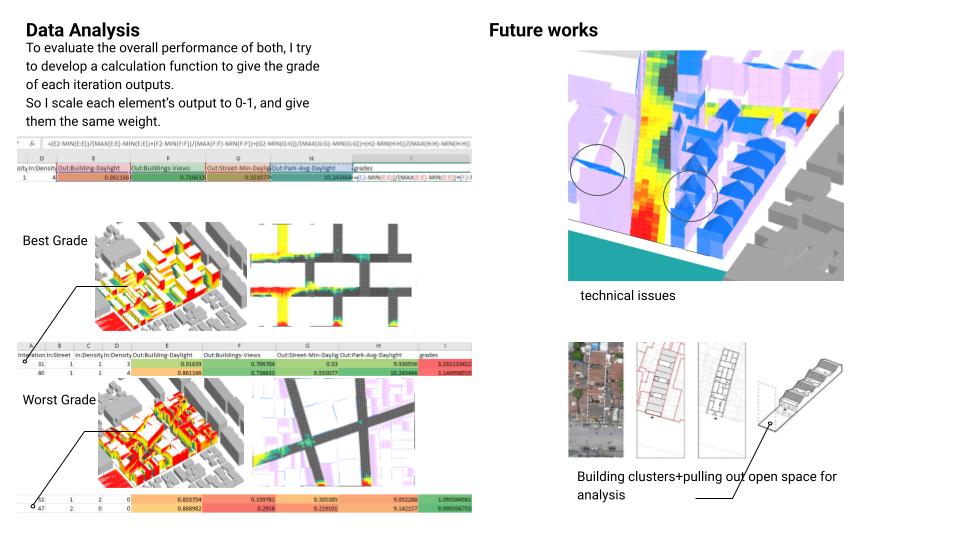
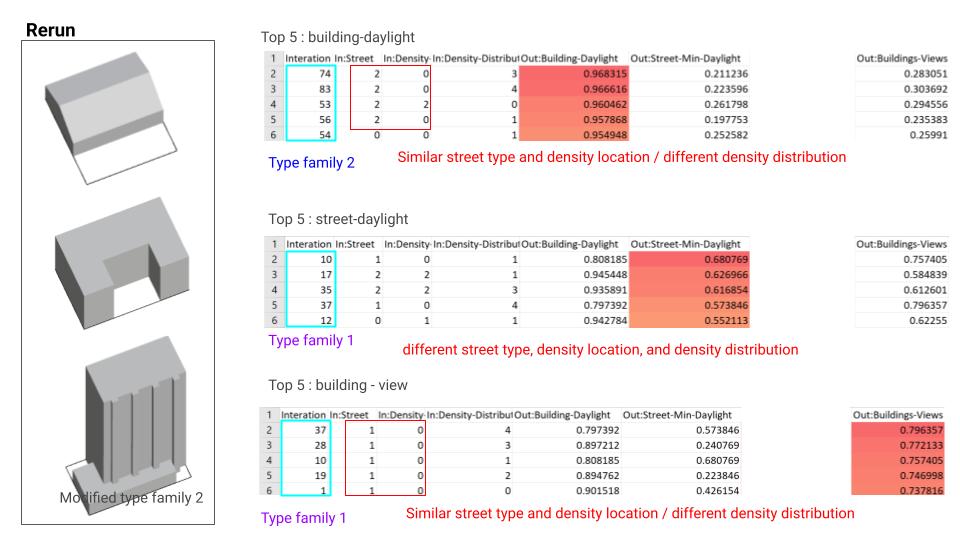
This project investigates how residential building typologies and urban density influence daylight performance across successive development phases in Nanjing, China. By grouping buildings into three historical cohorts—pre‑1949, 1949–2000, and post‑2000—and abstracting them into low‑, mid‑, and high‑density massing prototypes, the study uncovers patterns in spatial form and lighting conditions that mirror the city’s evolving urban fabric.
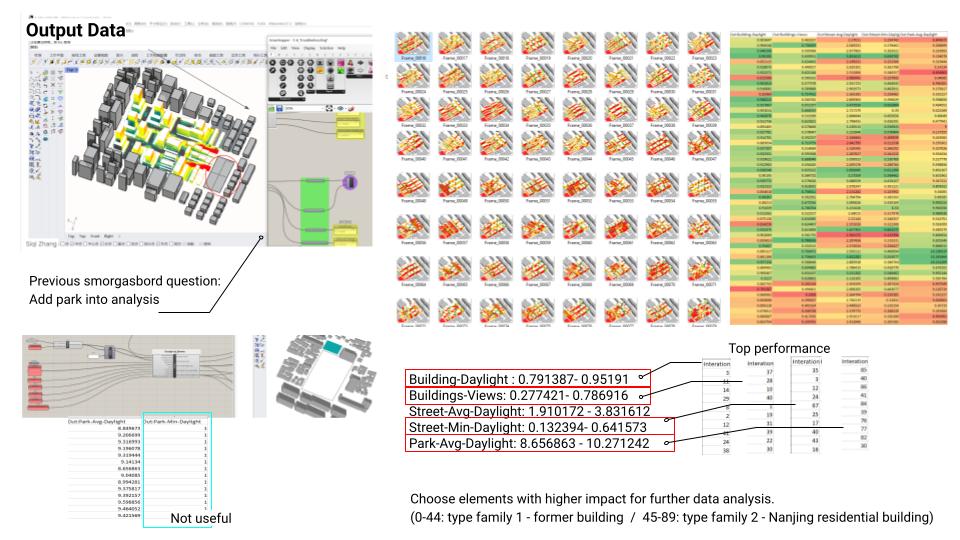
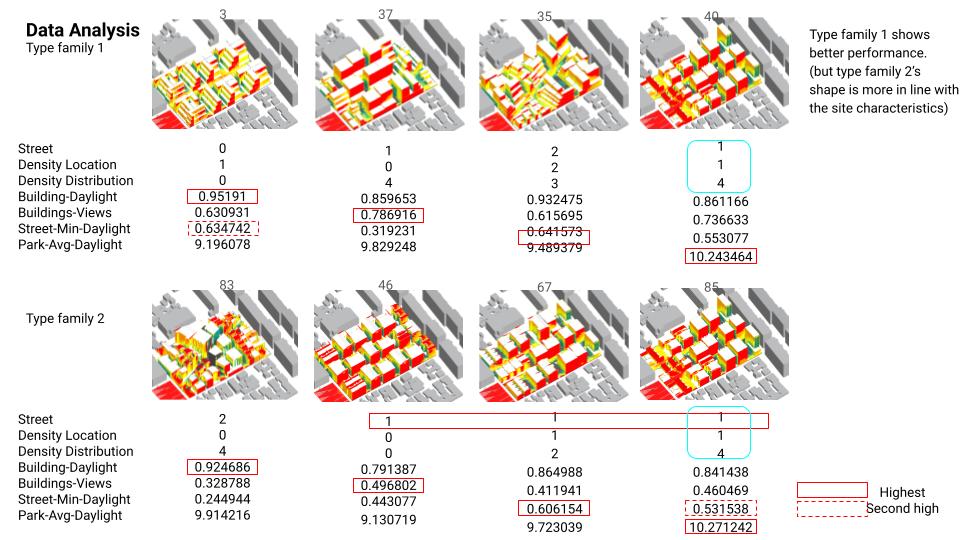
Leveraging Grasshopper‑based parametric modeling, each prototype was converted into simplified volumetric scripts to simulate annual sunlight hours, openness metrics, and density trade‑offs. Automated daylight analyses quantify performance differences among typologies, and comparative visualizations distill insights into how historical form, density, and human‑centric design intersect to inform adaptive urban strategies.