Knitted Tile Vaults
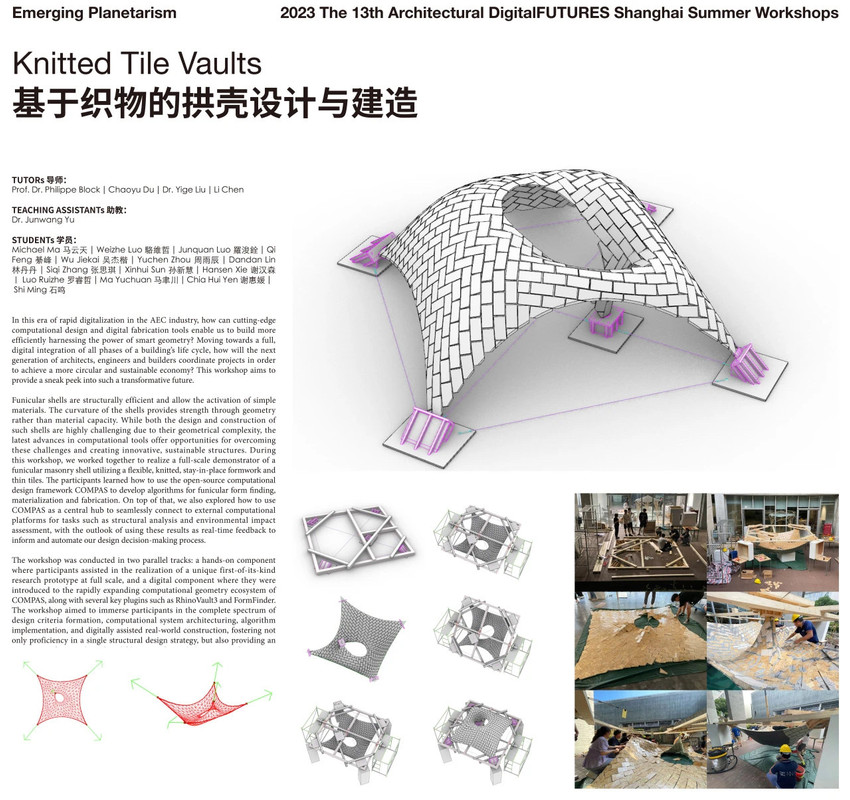
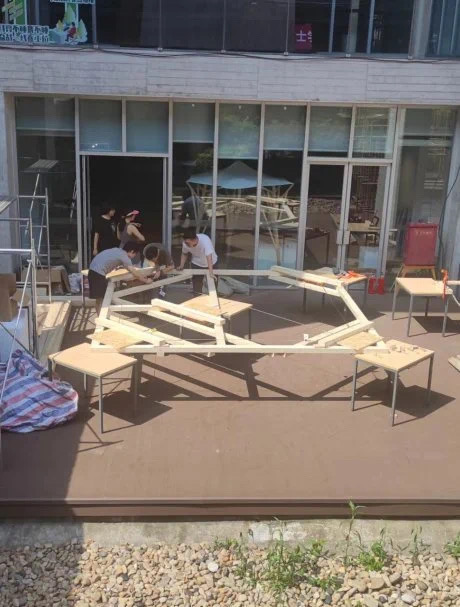
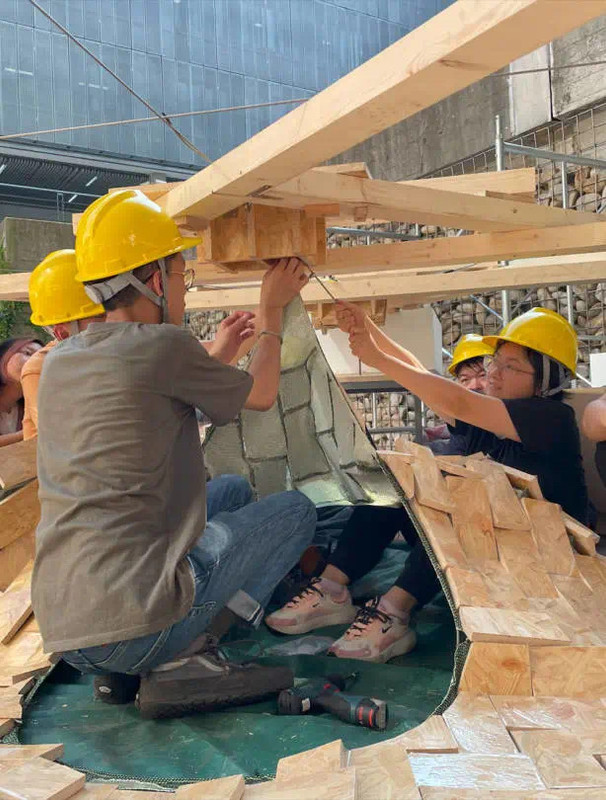
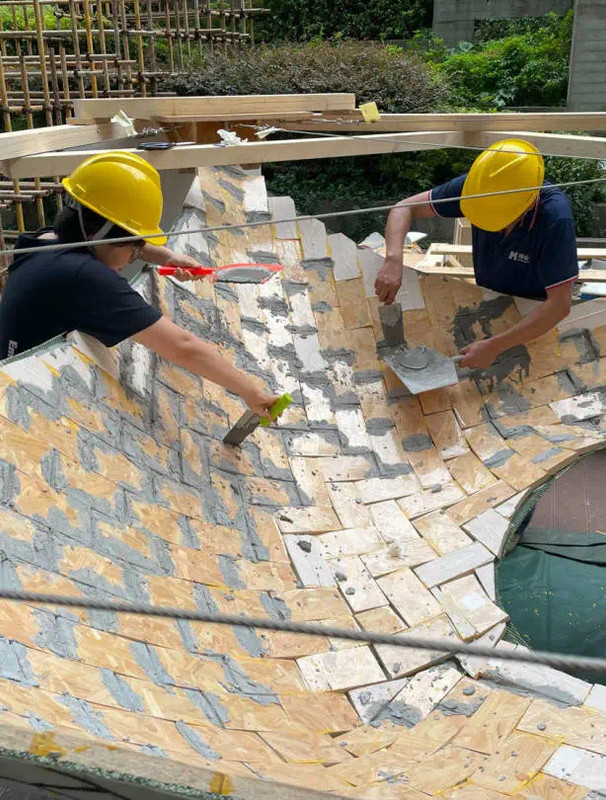
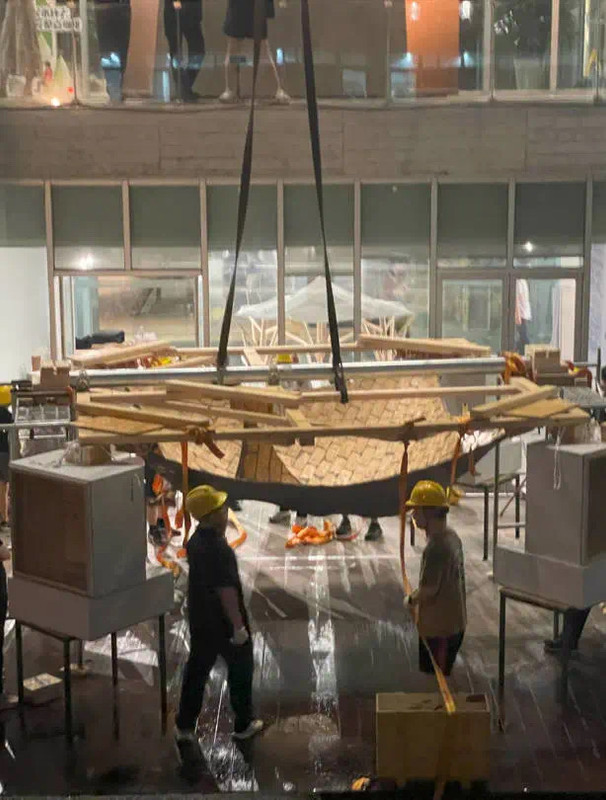
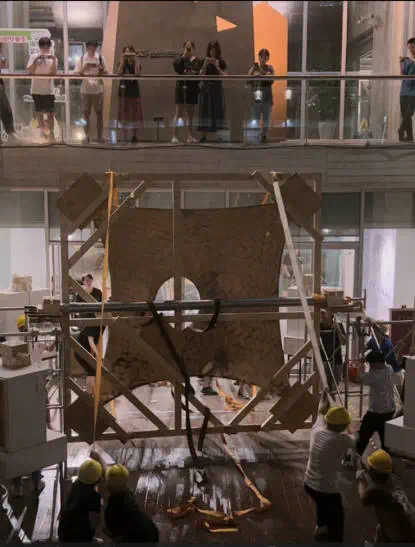
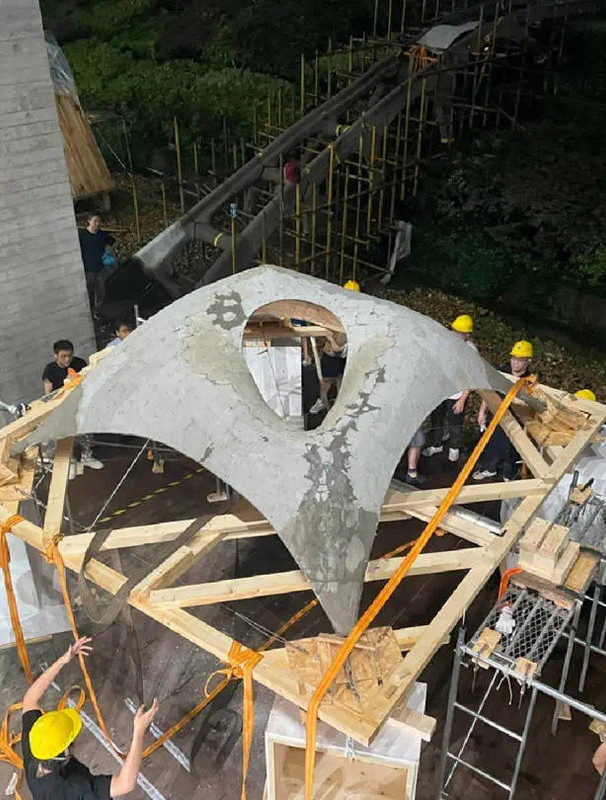
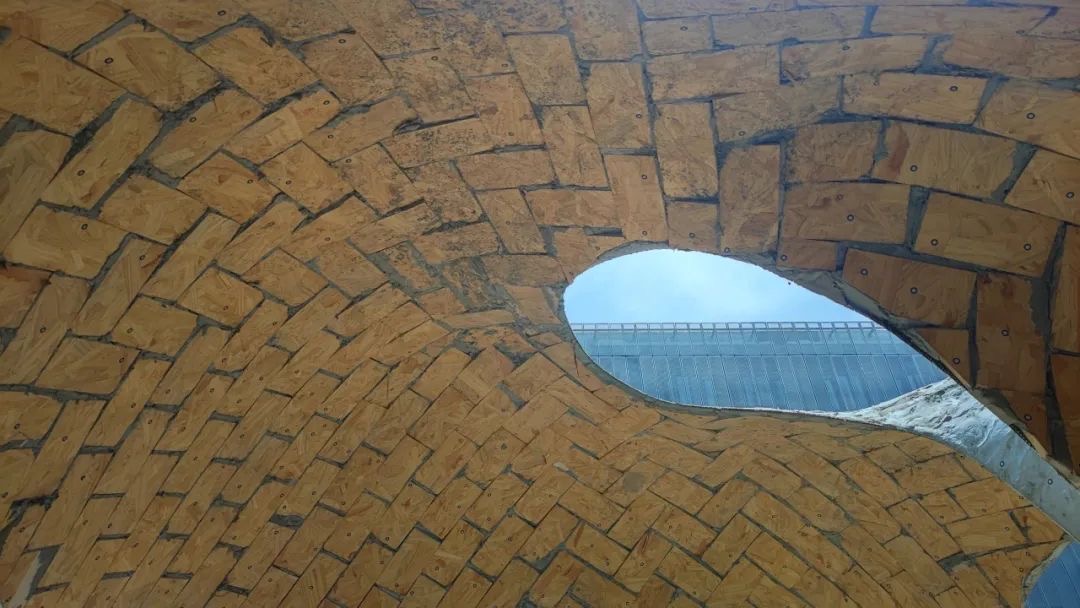
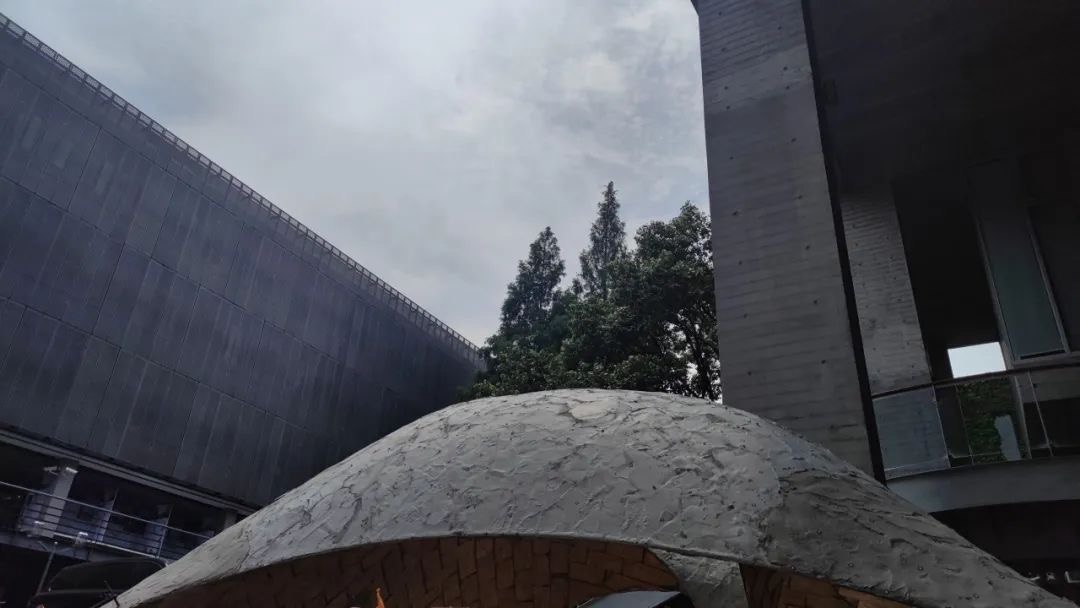
(2023, ETH Zurich Collaboration) Shells are highly efficient structural systems that derive their strength from geometry rather than material capacity, unlocking the potential of simple materials. While the design and construction of such shells are challenging due to geometric complexity, recent advances in computational tools and digital fabrication offer new opportunities for innovative and sustainable structural practices.
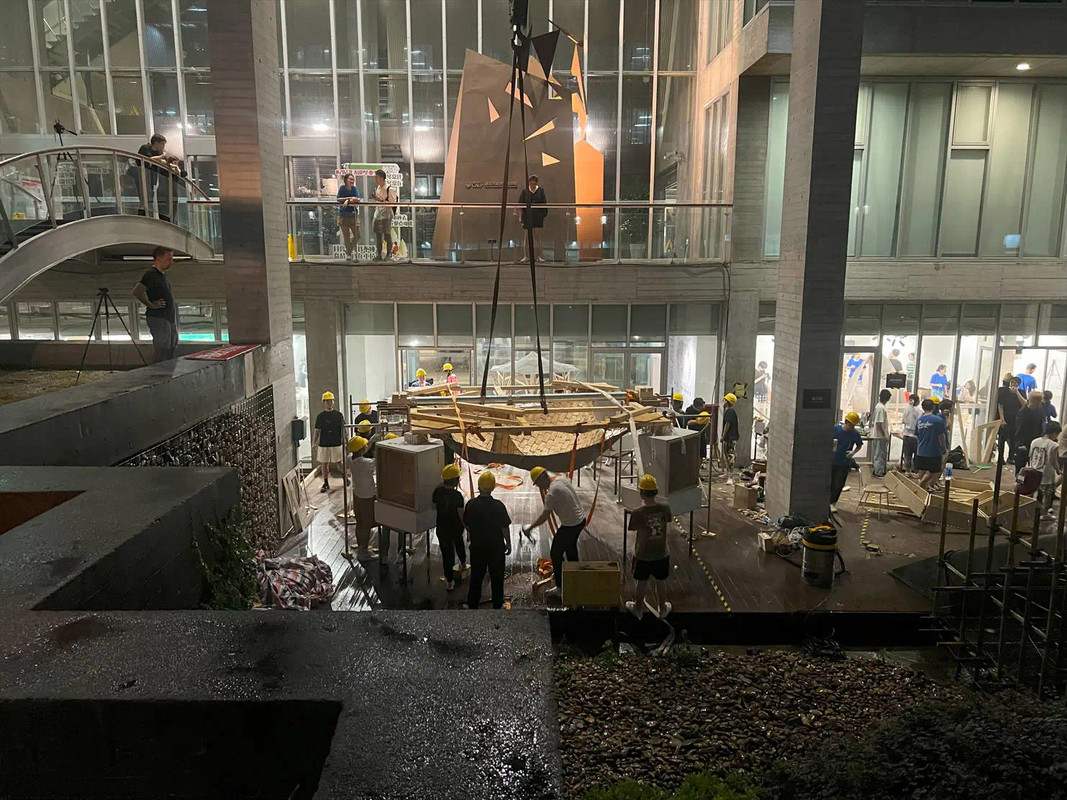
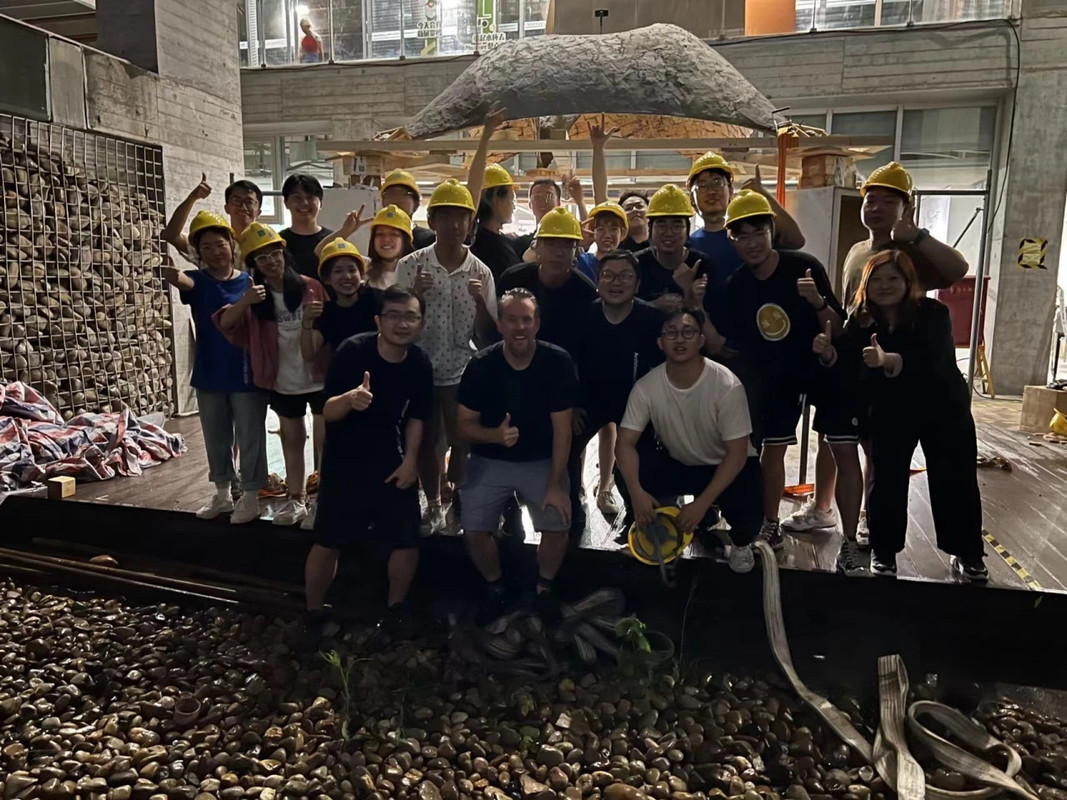
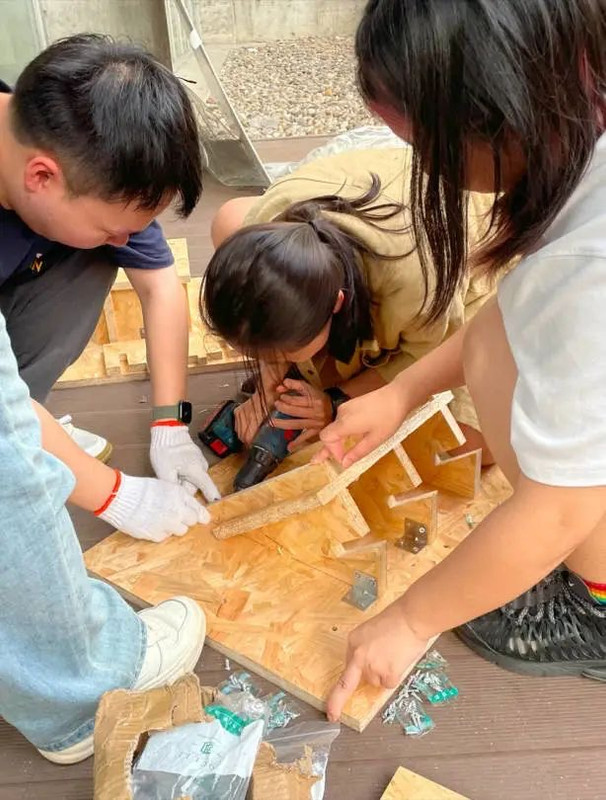
During the workshop, I worked with the open-source computational framework COMPAS, integrating it with external platforms to perform structural analysis and environmental assessments. Real-time feedback guided our design decisions, from form-finding to construction planning. My role encompassed both computational and physical processes: I used COMPAS to generate and evaluate shell geometries, collaborated with my team to design a 3×3m structure, and actively participated in full-scale construction — from assembling the timber frame, tensioning steel cables, and positioning wooden bricks, to suspending knitted formwork, applying mortar, and ultimately flipping the shell into place. This hands-on experience reinforced the seamless link between digital design and physical realization in architectural practice.